What kind of wood is Japanese hinoki?
Jul 04,2023 | Defulin Teak
When the hinoki fan waves and the breeze rises, the king and his lords laugh and smile. In the Tale of Genji, literati and scholars are seen waving their hinoki fans, drinking wine and writing poetry, laughing and speaking with a sense of grace. In fact, the craft of making hinoki fans has long been at its peak in Japan, but little is known about the material used to make them, the hinoki wood. Today, let TEFL take you to understand Japanese hinoki!
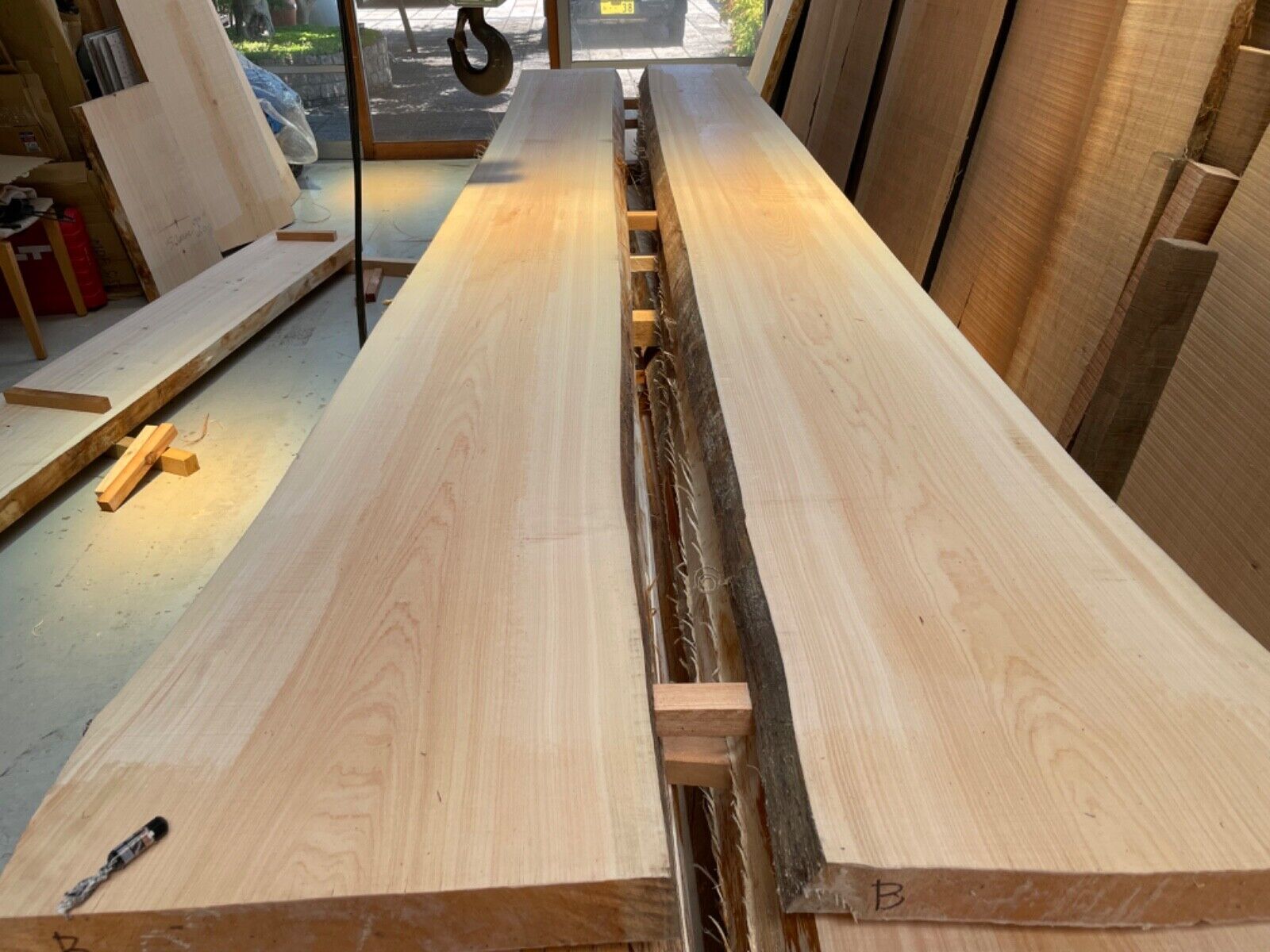
Hinoki is not actually a tree species, but a general term for red hinoki and cypress (some people also include American cypress and sharp-leaved cypress). Both trees are evergreen trees of the cypress family of the pine family; the difference is that the red cypress belongs to the cypress subfamily, while the cypress belongs to the lateral cypress subfamily. When the term Japanese Juniper is used in the market today, it refers to the Japanese straight cypress, not the red cypress that grows in Taiwan.
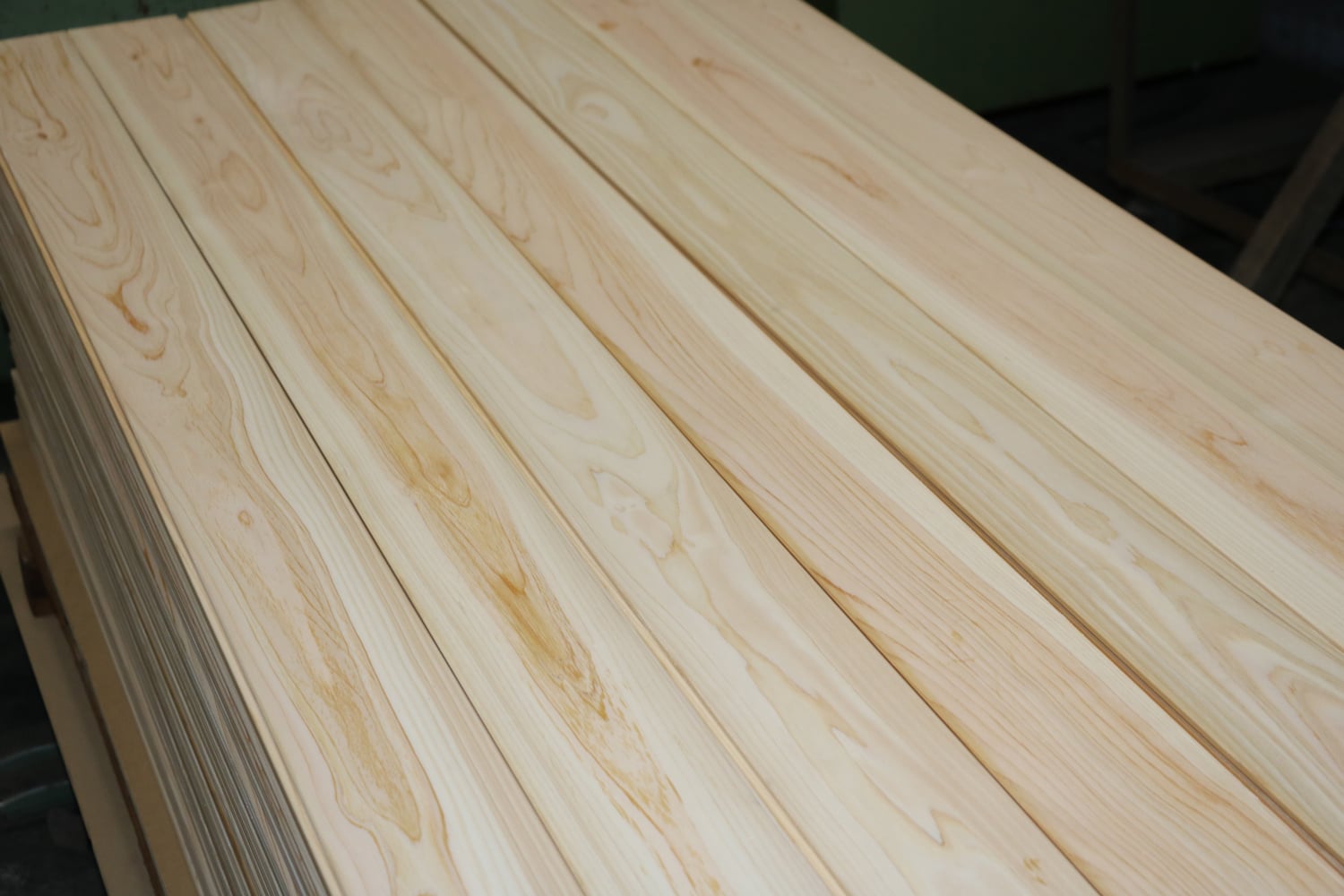
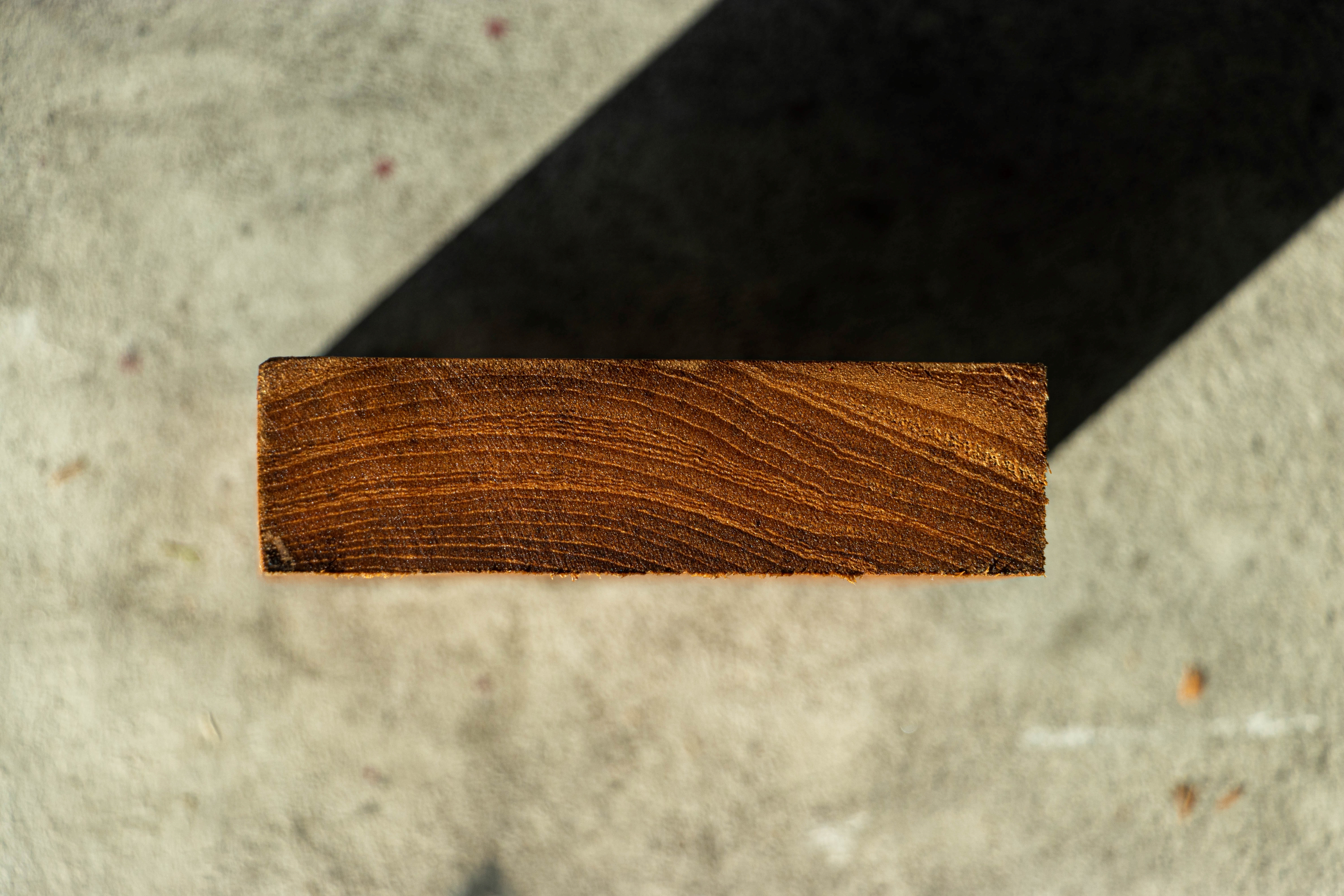
Japanese cypress trees can grow over 40 meters tall and have a diameter of more than 1.5 meters, have a fine and even structure, high stability, heavy hardness and low water absorption, so they do not rot easily. The wood shows vertical grain when cut and is delicate, warm and oily to the touch. Sapwood and heartwood are different; sapwood appears light yellow, while heartwood appears light red. Furniture made from Japanese hinoki has a natural, calm and warm appearance. It is also popular with woodworkers because it is easy to process and dry, suitable for planing and easy to glue, finish and nail. It is not surprising that Hinoki was one of the ten most popular woods used in Ming and Qing dynasty furniture, along with rosewood, mahogany, huanghuali and many other precious woods.
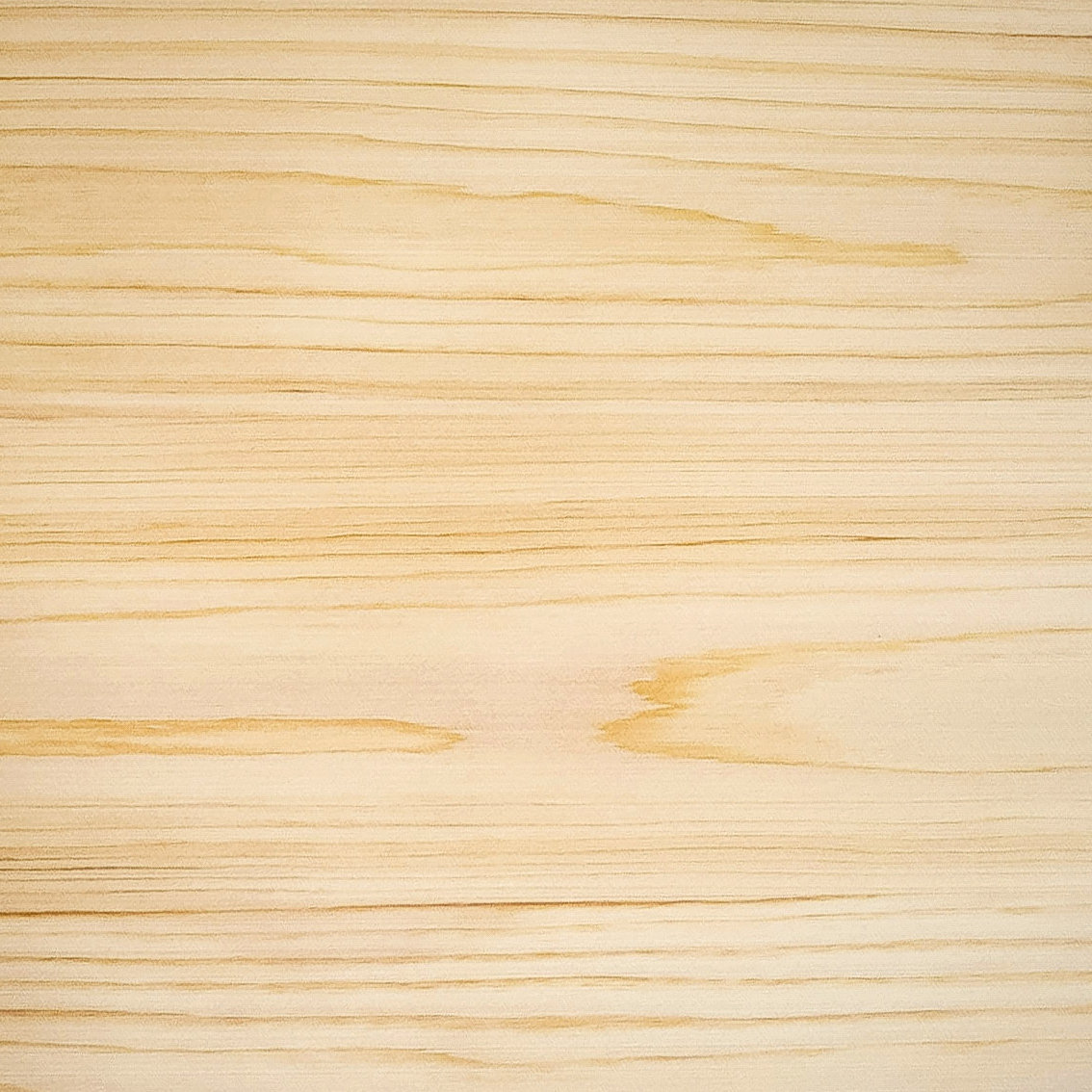
In Japanese, hinoki is synonymous with "spirit wood". In fact, this praise is justified. Japanese hinoki contains large amounts of phentol and the unique hinoki alcohol, which imparts a long-lasting aroma, has a bacterial and insecticidal effect and is of great health value as it helps the body fight disease and improve memory and concentration. As a result, Japanese hinoki has become the new favorite of the wood industry over the years and has developed many uses, including furniture, windows, doors, columns, crafts and even custom-made children's furniture for parents to provide a better home environment for their children.
The rise of Japanese hinoki is a reference to the modern consumer's quest for nature, environmental protection and health, and suggests a wider range of uses for wood building materials in the future of construction. If you are interested in wood, please follow Teflon to learn more about wood!
Comment